Crafting a Winning Offer on a House
Making an offer on a house is a significant step, and crafting a winning offer requires careful planning and execution. It’s not just about the price; several factors can sway a seller’s decision in your favor. This guide provides the top 5 tips to significantly increase your chances of securing your dream home. Each tip builds upon the previous one, creating a comprehensive strategy for success. From thorough market research to the final closing, these strategies will help you navigate the complexities of real estate and make a compelling offer.
Researching the Market
Before you even think about making an offer, thorough market research is essential. Understanding the local real estate landscape provides you with the knowledge to make informed decisions. This involves knowing property values, recent sales data, and neighborhood trends. This research equips you with the data needed to make a competitive and well-informed offer, increasing your chances of success. This step allows you to enter negotiations from a position of strength, demonstrating that you are a serious and well-prepared buyer.
Understanding Property Values

Property values are influenced by various factors, including location, size, condition, and recent sales in the area. To gain insight, consult online real estate portals and consider hiring a professional appraiser for a detailed valuation. Comparing the property’s features with those of comparable homes that have recently sold will help you determine a fair price. This research will prevent you from overpaying and allow you to make a competitive offer that the seller is likely to accept. By understanding property values, you can avoid emotional decision-making and make a strategic offer.
Analyzing Recent Sales
Reviewing recent sales data in the neighborhood is crucial. Look at the prices of comparable properties that have sold in the last three to six months. Pay attention to the final sale price compared to the listing price, as this indicates the market’s competitiveness. Websites like Zillow, Redfin, and local real estate databases provide this essential information. Analyzing recent sales helps you understand the current market conditions, which is essential to make an offer that is attractive to the seller. Analyzing sales data provides tangible evidence to support your offer, demonstrating that your price is reasonable.
Assessing Neighborhood Trends
Neighborhood trends influence property values. Factors to consider include the availability of schools, parks, and amenities, as well as crime rates, planned developments, and any potential issues in the area. Visiting the neighborhood at different times of the day and week will give you a better feel for the area. This information helps you gauge the desirability of the location, which affects demand. Considering neighborhood trends provides valuable context for your offer. Highlighting the benefits of the neighborhood may further persuade the seller to choose your offer.
Making a Strong Financial Offer

A strong financial offer is essential for success, comprising elements like your maximum budget, pre-approval from a lender, and an earnest money deposit. Demonstrating financial readiness signals to the seller that you are a serious buyer who is prepared to close the deal. Your financial offer represents your commitment and ability to fulfill your offer. By addressing financial aspects thoughtfully, you build credibility and increase your chances of winning the offer. A strong financial offer can outweigh other considerations.
Determining Your Maximum Budget
Before starting your home search, determine your maximum budget. This involves assessing your income, debts, and expenses and consulting with a mortgage lender to determine how much you can afford. This helps you define your price range, allowing you to focus on properties within your financial capacity. Sticking to your budget during negotiations prevents overspending and potential financial stress. Knowing your budget avoids overextending yourself, which can lead to financial difficulties down the line. Make sure to consider all the costs involved beyond the mortgage, like property taxes and homeowners insurance.
Securing Pre-Approval
Obtain pre-approval from a mortgage lender to show sellers you’re a serious buyer. Pre-approval involves a lender reviewing your financial information and agreeing to lend you a specific amount. A pre-approval letter demonstrates you have the financial backing to make an offer, which is more appealing to sellers. Sellers are more likely to accept offers from pre-approved buyers because they are more confident that the sale will go through. This gives you a significant advantage in a competitive market. Pre-approval removes uncertainty and speeds up the process.
Including an Earnest Money Deposit

An earnest money deposit shows your commitment to the purchase. This deposit, typically a percentage of the purchase price, is held in escrow and is forfeited if you back out of the deal without a valid reason. Offering a substantial earnest money deposit signals your seriousness and strengthens your offer. Including an earnest money deposit can be a significant factor in the seller’s decision. The deposit also reduces the risk for the seller. Demonstrating your commitment to the purchase offers peace of mind to the seller.
Writing a Compelling Cover Letter
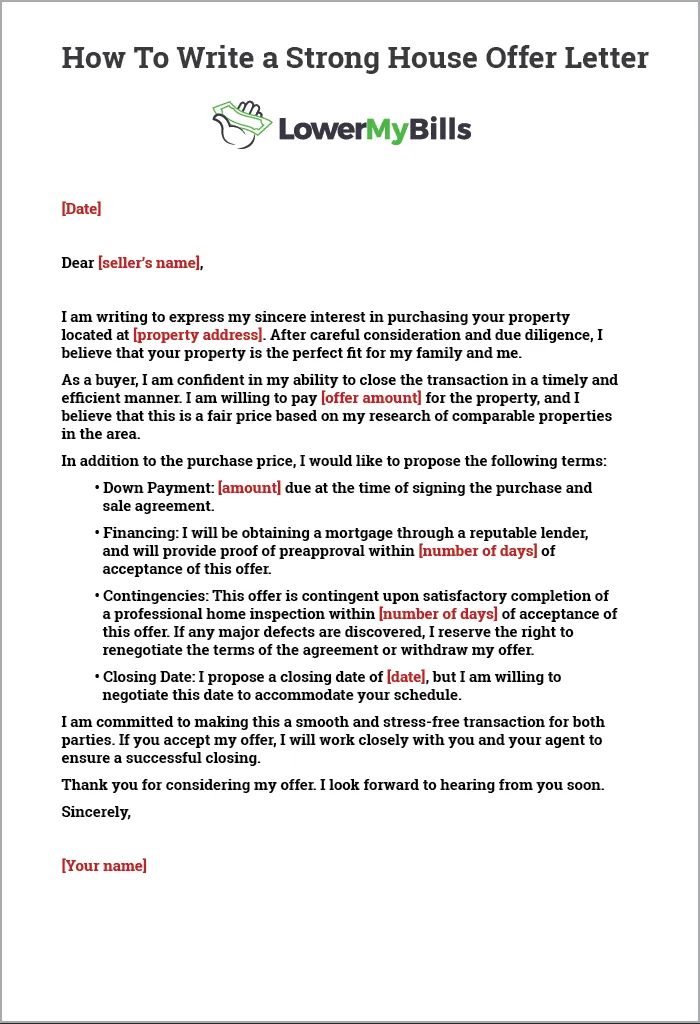
A cover letter allows you to connect with the seller on a personal level, differentiate your offer, and express your genuine interest in the property. Crafting a well-written letter can give you an edge over other offers. A personalized letter shows the seller you are committed and enthusiastic, creating an emotional connection that can influence their decision. In a competitive market, a compelling cover letter may tip the scales in your favor. It provides an opportunity to highlight your qualifications and express your sincere interest.
Expressing Genuine Interest
Expressing your genuine interest in the property is key to building a connection with the seller. Share what you love about the house, the neighborhood, and your future plans for the property. Avoid generic statements and personalize your letter to reflect your unique connection to the home. Expressing your enthusiasm and admiration may make the seller feel more connected to you. Demonstrating how the house fits your lifestyle creates a positive impression. Conveying your excitement can establish a rapport with the seller and strengthen your offer.
Highlighting Your Qualifications

Highlight your qualifications in your cover letter to assure the seller. Mention that you are pre-approved for a mortgage, or if you are a cash buyer, state this clearly. If you have a flexible closing date, mention this too. This reassures the seller that you are a reliable and serious buyer. Emphasizing your qualifications can reduce the seller’s concerns about the sale. By showcasing your financial readiness, you increase your chances of acceptance. Highlighting your qualifications gives the seller confidence in your ability to complete the transaction.
Personalizing Your Letter
Personalize your cover letter to show the seller you appreciate their property and understand its value. If you know something about the property’s history or the seller’s preferences, subtly include it. The more you can demonstrate that you’ve researched the property and the seller, the more compelling your offer will be. Personalizing your letter creates a sense of connection and understanding. A personalized letter differentiates you from other buyers, demonstrating your commitment. Show the seller that you see their home as a place to build lasting memories.
Negotiating Effectively
Effective negotiation is crucial. Understanding the seller’s perspective, being prepared to compromise, and working closely with your real estate agent are keys to successful negotiation. This step is where you translate your research and preparation into a successful agreement. By approaching negotiations strategically and collaboratively, you can improve your chances of getting your offer accepted. Strategic negotiation involves balancing your needs with those of the seller to reach a mutually agreeable outcome.
Understanding the Seller’s Perspective

Try to understand the seller’s motivations and needs. Are they relocating for a new job, downsizing, or facing financial constraints? If possible, find out their timeline and priorities. Knowing what matters most to the seller helps you tailor your offer to their needs. Understanding the seller’s perspective allows you to frame your offer in a way that is attractive to them. This insight enables you to negotiate more effectively, finding common ground and facilitating a smoother transaction.
Being Prepared to Compromise
Real estate negotiations often involve compromise. Be prepared to adjust your initial offer to reach an agreement. This could mean slightly increasing the price, adjusting the closing date, or making concessions on certain contingencies. A willingness to compromise shows that you are a serious and flexible buyer. Compromise can lead to a win-win scenario where both parties feel satisfied. Flexibility can overcome hurdles and keep the deal moving forward. Being prepared to compromise increases your chances of securing your dream home.
Working with a Real Estate Agent
A skilled real estate agent is your invaluable ally throughout the negotiation process. They can provide expert advice, represent your interests, and navigate the complexities of the deal. Your agent can also advise you on negotiating strategies. They are experienced in handling negotiations and can help you make informed decisions. They will handle all the paperwork and legal aspects of the offer. Utilizing the expertise of a real estate agent will save you time and stress. Your agent is your advocate.
Closing the Deal

Once your offer is accepted, it’s time to close the deal. This involves finalizing the mortgage, conducting inspections, and signing the final paperwork. Following the preceding steps will lay the groundwork for a smooth closing process. Keeping track of all deadlines and requirements is crucial for completing the transaction. Work with your real estate agent and lender to ensure a timely and successful closing. This process marks the final stage of acquiring your new home.
By following these five tips, you will substantially increase your chances of winning the offer on your dream house. Remember that the key to success is a combination of thorough research, a strong financial offer, a compelling cover letter, effective negotiation, and expert guidance. Approach the process with confidence, and you will be well on your way to becoming a homeowner.