Cover Letter Basics
A cover letter is your introduction to a potential employer. It serves to highlight your skills, experience, and interest in a specific role. Unlike a resume, which provides a factual account of your background, a cover letter allows you to express your personality and explain why you are a good fit for the job. One of the most important aspects of a cover letter is addressing it correctly. Knowing who to address it to demonstrates professionalism and shows that you’ve taken the time to research the company and the role.
Why Addressing Matters
Addressing your cover letter to the right person is more than just a courtesy; it’s a strategic move. It personalizes your application and shows that you’re genuinely interested in the specific opportunity. When you address the letter to a specific hiring manager or recruiter, it increases the likelihood that your application will be read and considered seriously. A generic address, such as “To Whom It May Concern,” while sometimes unavoidable, can make your application appear less tailored and may not make the best first impression. Addressing it correctly shows attention to detail, a valuable quality in any profession.
Researching the Company

Before you start writing your cover letter, dedicate some time to researching the company. This will help you understand their values, culture, and the specific requirements of the role. This research is crucial for identifying the correct person to address your letter to. Look for clues on the company website, job postings, and LinkedIn profiles. Knowing the right name shows initiative and helps you tailor your letter to the specific needs of the hiring manager or the team. This preliminary research saves time and increases your chances of a successful application.
Checking the Job Posting
The job posting is usually the first place to look for the name of the hiring manager or the person to whom you should address your cover letter. Many companies include this information directly in the job description. If a specific name is provided, use it. If it mentions a department or a team, like “Hiring Team” or “Recruitment Department,” that’s a good alternative. If no name is listed, make a note to investigate further using the company website or LinkedIn. Always double-check the job posting for any instructions on how to submit your application, as this can also provide clues on who will receive it.
If the job posting lists a recruiter, address the cover letter to them. Recruiters are often the first point of contact and are responsible for screening applications. Using their name shows that you’ve paid attention to detail and are serious about the position. Tailor the cover letter to the role and highlight your skills that align with the job description. Recruiters appreciate applications that show initiative and demonstrate how your experience aligns with the company’s needs. Make sure to spell the name correctly; a misspelled name is a common mistake that can undermine your application.
Visiting the Company Website
The company website is an excellent source for information. Look for an “About Us” or “Contact Us” section. Sometimes, the website will list key personnel, including department heads or team leads. Even if you don’t find the exact name of the hiring manager, you might find the name of the department head, which is a good alternative. Checking the company’s “Team” or “Leadership” page can also provide valuable insights. This proactive approach demonstrates your initiative and attention to detail. By exploring the website, you may uncover specific information that helps you tailor your cover letter effectively.
Using LinkedIn

LinkedIn is a powerful tool for finding the right person to address. Search for the company and navigate to the “People” section. You can filter by job title, such as “Hiring Manager,” “Recruiter,” or “Human Resources.” Once you identify a potential contact, review their profile to confirm they are responsible for hiring for the role you are applying for. You can even send a short, professional message asking if they are the correct person to address your cover letter to. Make sure to tailor your message and keep it concise, mentioning the specific job you are applying for. This shows you’ve done your research and are taking a proactive approach. Be polite and respectful in your communication.
Contacting the Company Directly
If you’ve exhausted all other options, consider contacting the company directly. You can find a general email address or phone number on their website. Compose a brief email asking for the name of the hiring manager or the person responsible for reviewing applications for the specific role. Keep your email concise, professional, and polite. Include the job title and reference number (if available) to help them direct your inquiry correctly. This approach demonstrates your initiative, but it should be a last resort. Be prepared to wait for a response, and always follow up if you don’t hear back within a reasonable timeframe.
When to Use ‘To Whom It May Concern’
Using “To Whom It May Concern” should be a last resort. It’s a generic greeting that doesn’t personalize your application. However, there are instances where it might be acceptable. For example, if you’ve tried all the methods above and still can’t find a name, it’s better to use this salutation than to leave the address blank. In such cases, ensure the rest of your cover letter is highly tailored to the role and the company. Show that even without a specific name, you’ve researched the company and understand the job requirements. You can also try using a title like “Hiring Manager” or “Recruiting Team” if you know who will be reading the application, but can’t find a name.
If You Can’t Find a Name, Consider These Options

If you’re unable to find a specific name, consider these alternatives: use the job title, the department name, or “Hiring Manager.” These are better than a generic greeting and still acknowledge that your application is being directed to a specific person or team. For example, you can use “Dear Hiring Manager” or “Dear Recruiting Team.” Ensure your cover letter is tailored to the role’s requirements. Highlight your skills and experiences that directly align with the job description. This approach demonstrates your ability to adapt and your proactive approach to the job search.
Addressing the Cover Letter Alternatives
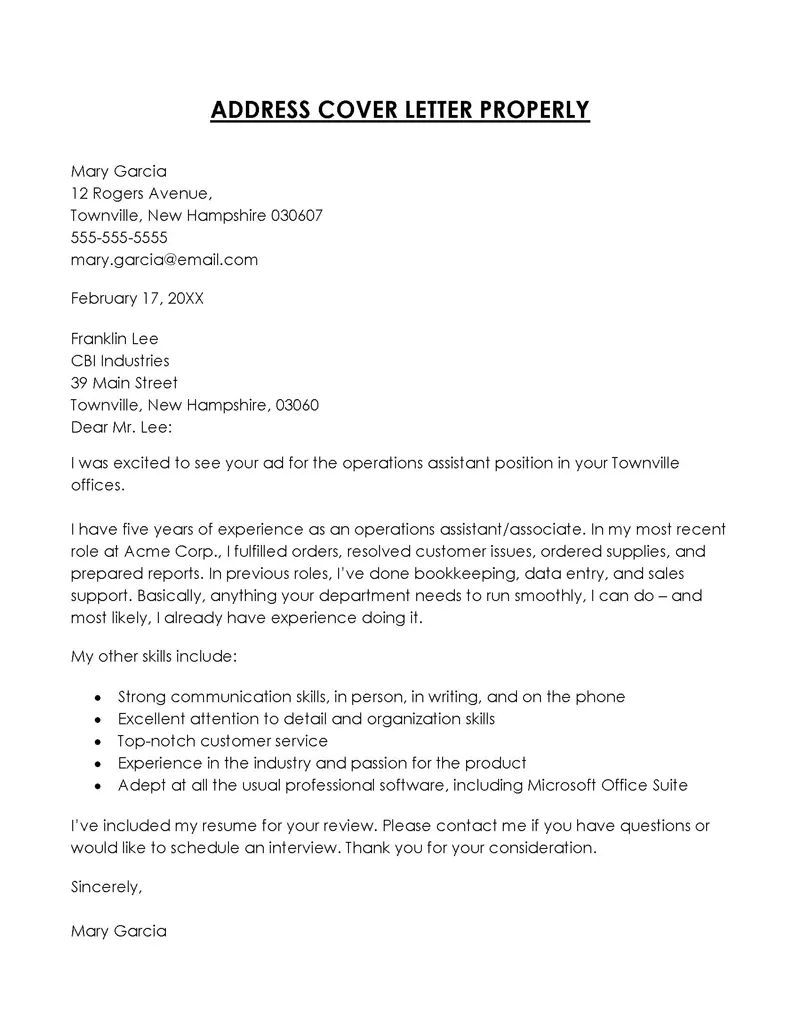
There are different ways to address your cover letter. If you know the name of the person, use a formal salutation such as “Dear Mr. Smith” or “Dear Ms. Jones.” Make sure you spell the name correctly and use the correct title. If you don’t know the gender, you can use the full name “Dear Alex Johnson.” When you don’t have a specific name, alternatives like “Dear Hiring Manager” or “Dear Recruiting Team” are acceptable. Avoid overly casual greetings. Maintain a professional tone throughout your cover letter.
Formatting Your Cover Letter
The format of your cover letter is just as important as the content. Keep it clean, organized, and easy to read. Use a professional font, such as Times New Roman, Arial, or Calibri, and ensure the font size is easy to read (11 or 12 points). Use appropriate margins and spacing to create a visually appealing document. Proofread your cover letter carefully for any grammatical errors or typos. A well-formatted cover letter shows professionalism and attention to detail. Ensure the letter is well-structured, with clear paragraphs and headings, and keep it concise; aim for one page, or at most two pages.
Key Takeaways

Addressing your cover letter correctly can significantly improve your chances of getting noticed by a potential employer. Always try to find a specific name by researching the company website, job posting, and LinkedIn. If you can’t find a name, using a job title or department name is a better alternative than a generic greeting. Remember to tailor your cover letter to the specific role and company, highlighting your relevant skills and experiences. By taking the time to address your cover letter correctly, you demonstrate your professionalism and your genuine interest in the opportunity. This small step can make a big difference in your job application process.